Typical Duration of a Cooking Class in Rome
Most cooking classes in Rome run between two and a half to three and a half hours. That window is long enough to learn real technique, cook a full meal, and sit down to eat what you made, without eating up an entire day of sightseeing. Some specialty classes push closer to four hours, particularly those that cover multiple courses or include bread and dessert alongside the main dish.
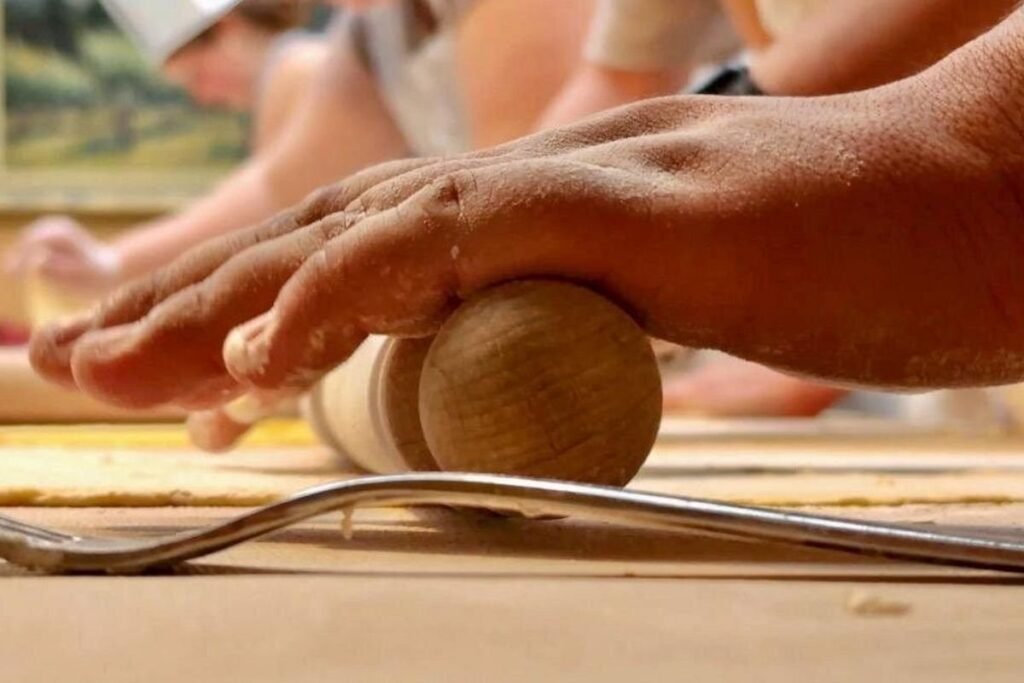
Pasta classes tend to sit right in that two-and-a-half to three-hour sweet spot. You will spend the first stretch learning how to make fresh dough from scratch, rolling it out by hand or with a machine, then cutting it into shape. The second half usually moves into sauce-making, plating, and finally sitting down together at the table. A good example is the Rome Pasta Making Class With Tiramisu, which layers pasta technique with a classic dessert and keeps the whole experience within a manageable block of time.
If you are tight on schedule, look at the stated start and end times before booking rather than relying on the general category label. A class listed as three hours usually means three hours door to door, including the eating portion. Build in a little buffer on either side, especially if the class is in a neighborhood like Trastevere, where traffic and narrow streets can slow you down getting there.
What Affects How Long Your Class Will Run
A few factors can shift the actual running time of your class. Group size is one of the biggest. Smaller groups move faster through demonstrations and get more hands-on time, which tends to keep things on schedule. Larger groups sometimes add time at each station simply because there are more people waiting to practice the same step.
The menu complexity matters too. A class focused purely on one pasta shape with a single sauce will wrap up faster than one covering two pasta types, a Roman-style sauce from scratch, and tiramisu. The Vegetarian Cooking Class In Rome, for instance, covers fresh pasta and a full Roman sauce, which naturally takes a bit more time than a one-dish format.
Location also plays a small role. Classes held in home kitchens or restaurant back-kitchens in central neighborhoods like Trastevere often have a more relaxed pace than those in larger cooking school facilities. The Cooking Class In Trastevere Rome is a good example of that slower, more personal rhythm that tends to feel less rushed even within the same time frame.
One practical tip: book a morning class if you want to keep your afternoon free. Classes starting around 10 or 11 in the morning typically wrap up before 2 p.m., leaving you the rest of the day for museums or wandering. Evening classes, usually starting at 6 or 7 p.m., are a natural fit if you want to make dinner the event itself. Either way, arrive on time. Instructors in Rome generally start rolling dough whether everyone is seated or not, and the first few minutes are often the most technique-heavy part of the whole session.