What You Actually Get Out of a Pasta Class in Rome
A pasta class in Rome is not just a cooking lesson. It is a few hours spent in a kitchen learning a skill that most people only watch from the other side of a restaurant pass. You mix flour and eggs by hand, feel the dough come together, and practice rolling it thin enough to hold shape without tearing. That tactile experience is something a cookbook or YouTube tutorial cannot replicate.
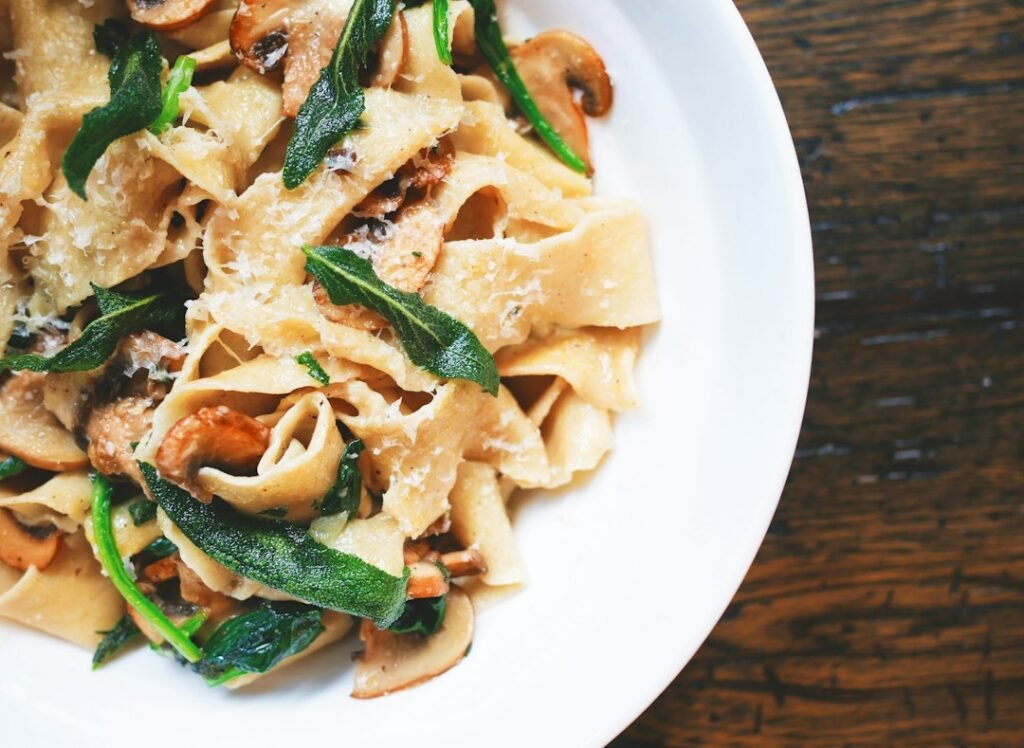
Most classes run two to three hours and cover one or two pasta types, often something fresh like fettuccine or tagliatelle, paired with a classic Roman sauce. A good instructor will walk you through the why behind each step, not just the what. Why the ratio of eggs to flour matters. Why resting the dough changes its texture. Why hand-rolling and machine-rolling produce different results. You leave with actual knowledge, not just a memory of stirring something in a pot.
The social side is underrated too. Classes tend to be small groups, which means you end up talking to other travelers over a glass of wine while your pasta dries on the rack. That is not something you get from a restaurant dinner, no matter how good the cacio e pepe is.
If you want to make a full afternoon of it, consider a Rome pasta making class with tiramisu, which pairs fresh pasta with one of Italy’s most iconic desserts in a single session.
How to Choose the Right Pasta Class in Rome
Rome has no shortage of cooking classes, which makes picking one harder than it should be. A few things separate a genuinely good class from a tourist trap.
First, look at the group size. Anything over ten or twelve people tends to mean less hands-on time and more standing around watching. Smaller groups let you actually practice rather than observe.
Second, check the location. Classes held in a real home kitchen or a small culinary space tend to feel more authentic than those run out of a hotel meeting room. The cooking class in Trastevere is a good example of a neighborhood setting that adds to the experience rather than just being a backdrop.
Third, think about dietary needs. If you do not eat meat, there are solid options that do not require you to skip half the menu. A vegetarian cooking class in Rome covers fresh pasta and Roman sauces built entirely around vegetables, without feeling like a compromise.
Pricing is usually between 60 and 100 euros per person in 2026, which puts it roughly in line with a mid-range dinner out. When the class includes wine, a full meal you cooked yourself, and a technique you can repeat at home, that price holds up well against other ways to spend an afternoon in the city.
The Honest Verdict on Pasta Classes in Rome
For travelers who want more than sightseeing, a pasta class in Rome earns its place in an itinerary. It is hands-on, it is social, and it teaches you something concrete. You will probably overcook or tear your first sheet of pasta. That is part of it. By the time you sit down to eat what you made, alongside a glass of local wine, the experience feels entirely different from ordering off a menu.
It is not for everyone. If you have no interest in cooking at home and are mainly looking for a meal, a good trattoria will serve you better. But if the idea of bringing a real Roman skill back with you appeals at all, a pasta class is one of the more satisfying things you can do with a few hours in this city.