The Essentials You Actually Need To Pack
Rome’s cooking classes are hands-on from the first minute. You will be rolling dough, shaping pasta, and likely dusted in flour before the first glass of wine is poured. That means what you wear and carry matters more than most people expect before they arrive.
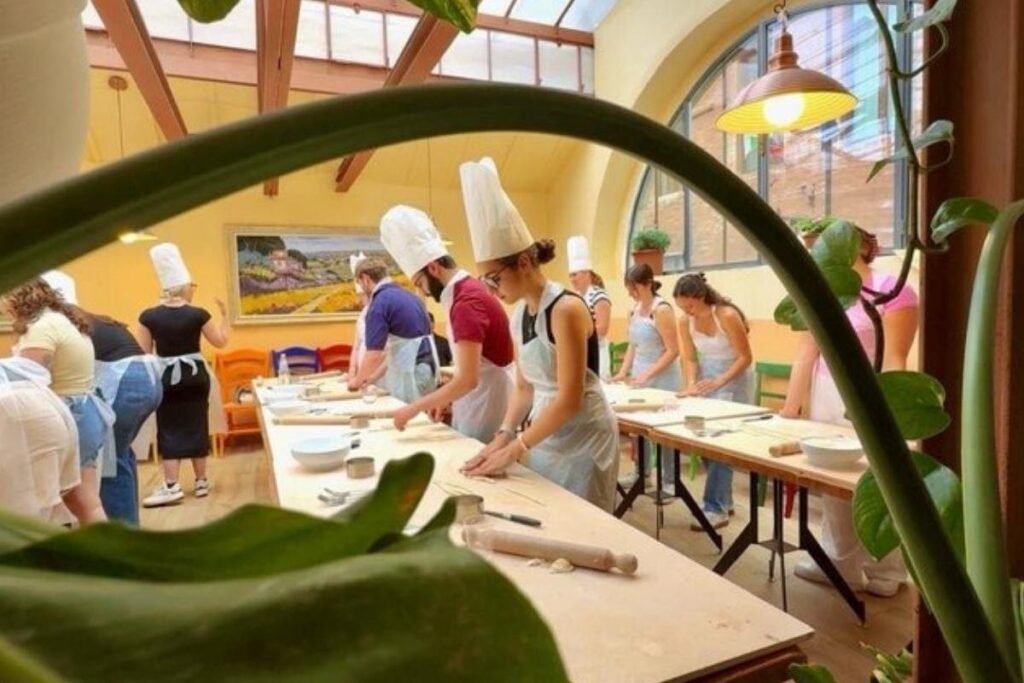
Start with your clothing. Wear something you do not mind getting a little messy. Flour and tomato sauce have a way of finding light-colored fabrics. Closed-toe shoes are a smart call too — kitchens have hard floors, and you will be standing for a good stretch of time. Most classes provide an apron, but your clothes underneath still take the occasional splash.
Bring a hair tie if your hair is long. Instructors in Rome’s professional kitchens appreciate it, and it keeps stray strands out of the fresh pasta dough — a basic hygiene habit that signals you respect the kitchen.
A small notebook or your phone for notes is genuinely useful. The recipes you learn in a Rome pasta making class are ones you will want to recreate at home, and writing down the instructor’s verbal tips — the flour ratios, the resting times, the specific pasta shapes — is far better than trying to recall them two days later at the airport.
Leave the big camera bag at the hotel. A phone camera handles the light in most cooking spaces just fine, and lugging extra equipment through a Roman kitchen is more trouble than it is worth.
What To Skip, and a Few Things Most People Forget
Skip the heavy perfume or cologne. Strong scents interfere with tasting, and a good part of any pasta class is learning to smell and taste as you cook. The same goes for excessive jewelry — rings, bracelets, and chunky necklaces are a hassle in a working kitchen and usually end up in your apron pocket anyway.
One thing most visitors forget: bring a small reusable bag or tote. Many classes in Rome send you home with leftover pasta, a printed recipe card, or even a small jar of sauce. A tote bag that folds flat in your daypack means you are not juggling takeaway containers on the walk back through Trastevere or the centro storico.
If you have any food allergies or dietary restrictions, write them down before you go. A quick note on your phone or a small card in your wallet lets you communicate clearly with the chef, even across a language barrier. Many classes — including vegetarian cooking classes in Rome — are already built around specific dietary needs, but your instructor will still appreciate the heads-up.
Arrive a few minutes early. Roman cooking classes often begin with a market walk, a pantry tour, or a short introduction to the ingredients. Showing up at the last second means missing context that makes the actual cooking make more sense.
Finally, bring an appetite. The meal at the end of a cooking class in Trastevere is a real sit-down affair, not a quick nibble. Plan accordingly, keep lunch light, and let yourself enjoy what you made.