Why Pasta Classes Have Become a Rome Essential
Rome has always drawn travelers for its ancient ruins, chaotic piazzas, and unhurried meals that stretch long into the afternoon. But in recent years, pasta classes have quietly become one of the most sought-after experiences in the city. It makes sense. You can visit the Colosseum once, but the ability to roll perfect cacio e pepe at home follows you for life.
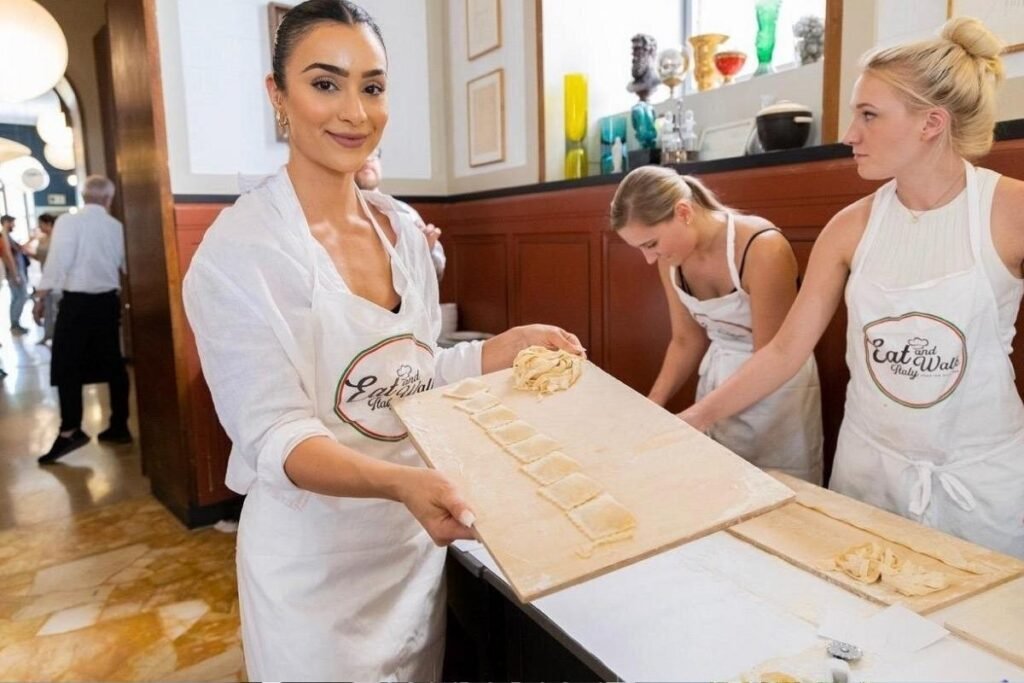
Most classes run two to three hours and are kept intentionally small, usually no more than ten or twelve people. That intimacy matters. You are not watching a chef perform from a distance; you are standing next to one, flouring your hands, adjusting the pressure on your pasta machine, and learning why the dough feels different on a humid Roman afternoon than it does back home.
The style of class varies depending on what you want out of the experience. Some focus purely on fresh pasta shapes like fettuccine and ravioli, walking you through the full process from mixing the dough to plating the finished dish. Others pair pasta with Roman staples like tiramisu, giving you a broader sense of how a traditional Roman meal comes together. The Rome Pasta Making Class With Tiramisu is a good example of this format, covering both a pasta course and dessert in a single session.
Location plays a role too. Classes held in Trastevere tend to have a neighborhood feel that is hard to replicate in a more commercial setting. The streets are quieter, the kitchens are often in actual homes or small local venues, and the experience feels less like a tourist activity and more like an afternoon with a Roman family. If that kind of atmosphere appeals to you, look specifically at options like the Cooking Class in Trastevere, which leans into that local, residential character.
How to Choose the Right Pasta Class for You
Before booking, it helps to be honest about what you actually want from the experience. Are you there primarily to eat well, to learn technical skills you will use again, or simply to spend a relaxed few hours doing something hands-on with people you are traveling with? The answer should shape your choice.
For travelers who want the most complete learning experience, classes that cover multiple pasta shapes and send you home with a recipe book offer the best long-term value. The Best Rome Cooking Class, which includes handmade fettuccine, ravioli, and tiramisu alongside a take-home recipe book, is built exactly for that kind of learner.
For those with dietary restrictions, Rome has kept pace. Vegetarian-specific classes now teach proper Roman tomato sauces and fresh pasta without defaulting to bland substitutes. These sessions are worth seeking out rather than assuming a standard class will accommodate you on the day.
Practically speaking, book at least a week in advance if you are traveling between April and October. The best small-group classes fill up fast during peak season, and last-minute spots are rare. Morning classes tend to start with a market visit or ingredient talk, while evening sessions move straight into cooking and often feel more relaxed. Wear comfortable clothes you do not mind getting flour on, skip heavy perfume, and arrive hungry. The meal you cook is almost always the one you sit down to eat.