Why Neighborhood Matters When Picking a Cooking Class
Rome is not a city where everything is interchangeable. The neighborhood you cook in shapes the whole experience, from the walk to the kitchen to the market where ingredients are sourced. A class held in a characterless studio near a train station feels nothing like one tucked inside an apartment building in a cobblestone quarter where locals actually live and shop.
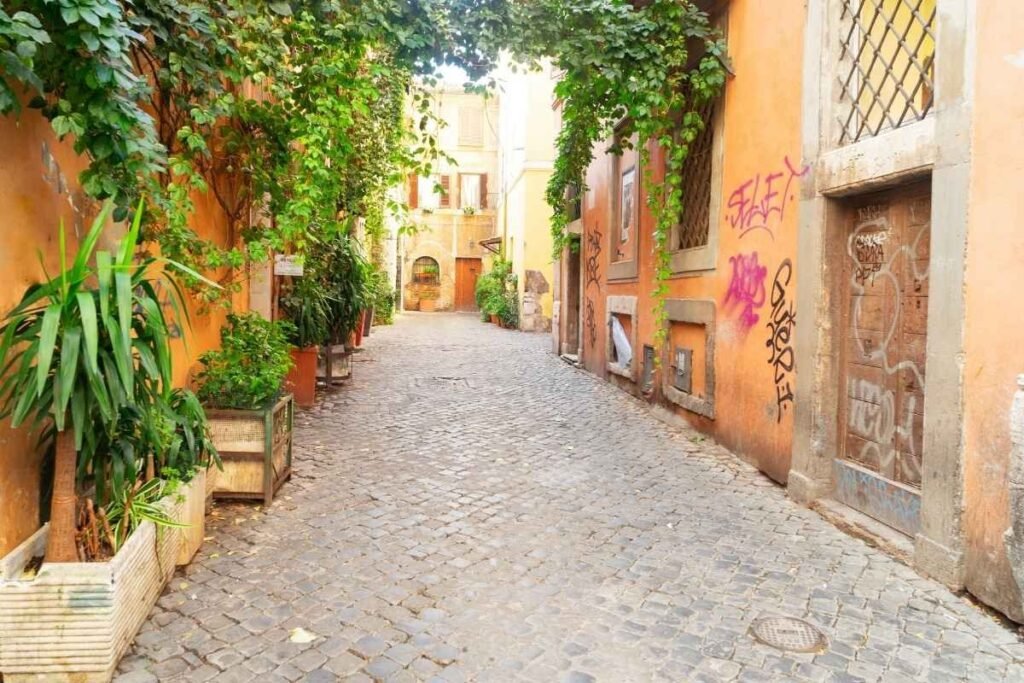
Most of the best cooking classes in Rome are concentrated in a handful of areas: Trastevere, the historic center around Campo de Fiori, Prati, and Testaccio. Each has a distinct personality, and the right choice depends on what kind of day you want to have around the class itself.
Testaccio is worth knowing about because it sits next to Rome’s old slaughterhouse district and hosts one of the city’s best covered markets. Classes based here often source ingredients on the morning of the lesson, which means what you cook is genuinely seasonal. It is a working-class neighborhood with almost no tourist infrastructure, so the experience feels grounded in real Roman daily life.
The historic center is convenient if you are staying near the Pantheon or Piazza Navona. Classes here benefit from proximity to top-quality delis and specialty food shops, and the central location makes it easy to build a full day around the lesson without long transit rides.
Trastevere: The Most Popular Choice and Why It Earns That Reputation
Trastevere consistently tops the list for cooking class locations, and the reasons are straightforward. The neighborhood retains an old-Rome atmosphere that most other central areas have lost. Stone staircases, ivy-covered walls, and family-run trattorias on nearly every block give the setting an authenticity that is hard to manufacture elsewhere in the city.
For a pasta class specifically, Trastevere works particularly well. Local kitchens here have been making cacio e pepe, carbonara, and fresh egg pasta for generations. When an instructor in this neighborhood tells you how a sauce should smell at a particular stage of cooking, that knowledge has local roots. A cooking class in Trastevere, Rome gives you both the technical instruction and the cultural context in one place.
The neighborhood is also walkable from several major sights, so you can spend the morning at Campo de Fiori or cross the river from the Jewish Ghetto and arrive at your class without needing a taxi. After the lesson, the surrounding streets offer some of the best gelato and wine bars in the city, which makes for a natural end to the afternoon.
Practical Tips for Choosing the Right Class Location
Before booking, check where the class physically takes place, not just the company’s general address. Some operators list a neighborhood but actually run sessions in a different area. Ask for the exact meeting point and look it up on a map relative to your accommodation.
Consider whether the class includes a market visit. If it does, Testaccio and Trastevere are strong choices because both have accessible markets within walking distance of most class venues. If the class is purely kitchen-based, the historic center is equally valid and often easier to reach by public transit.
Also think about group size. Smaller classes, typically six to twelve people, allow more hands-on time at the pasta board. A Rome pasta making class with tiramisu that keeps numbers low means you actually get to roll the dough yourself rather than watching someone else do it. If cooking is your main interest rather than sightseeing, prioritize class structure over location bragging rights.
Finally, if your group includes non-meat eaters, look specifically for a vegetarian cooking class in Rome rather than assuming a standard class can accommodate dietary needs. Several excellent vegetarian-focused classes run in the same top neighborhoods and cover the full range of fresh pasta techniques without compromise.