Book Early and Choose the Right Class for You
Rome is one of the most visited cities in the world, and cooking classes fill up fast, especially between April and October. If you have a specific date in mind, booking at least two to three weeks in advance is a smart move. Last-minute spots do come up, but you risk missing out on the session that actually fits your schedule or interests.
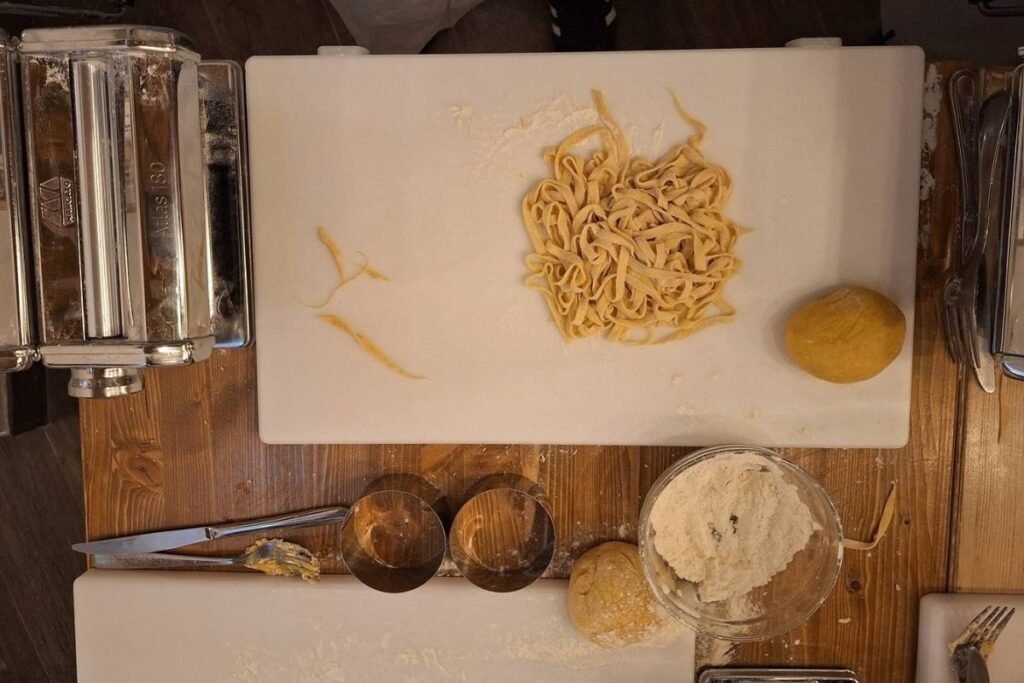
Before you book, think about what kind of experience you actually want. Some classes focus purely on pasta making, walking you through dough from scratch and teaching you how to shape formats like tagliatelle, fettuccine, or tortellini. Others pair the pasta lesson with dessert, like a Rome pasta making class with tiramisu, which gives you a fuller picture of Italian home cooking in a single session. If you do not eat meat, look specifically for a vegetarian cooking class in Rome so you are not navigating substitutions on the day.
Group size matters more than people expect. A class with eight people is a very different experience from one with twenty. Smaller groups mean more time with the instructor, more hands-on practice, and more honest feedback when your pasta dough is too dry or your cuts are uneven. Always check the maximum group size before confirming your spot.
What To Look For in a Good Pasta Class
Location can shape the whole feel of a class. A session held in a working kitchen in Trastevere, for example, puts you right in the middle of one of Rome’s most characterful neighborhoods. A cooking class in Trastevere Rome often comes with the added bonus of a local atmosphere that feels nothing like a hotel demonstration kitchen.
Check what is actually included in the price. Many classes cover ingredients, wine, and a sit-down meal at the end, but some charge extra for drinks or keep the eating portion very brief. A good class should give you enough time to actually sit, eat what you made, and enjoy it. If the session runs only 90 minutes, you are probably going to feel rushed.
Read recent reviews, but focus on specifics rather than star ratings. Look for comments about the instructor’s teaching style, how much hands-on time participants actually got, and whether the recipes were explained clearly enough to recreate at home. A glowing review that says only “so fun!” tells you very little.
Practical Tips for the Day of Your Class
Wear comfortable clothes you do not mind getting a little floury. Most kitchens provide aprons, but pasta dough has a way of ending up in unexpected places. Arrive a few minutes early so you are not flustered before you even start.
Come hungry. This sounds obvious, but skipping a heavy lunch makes the meal at the end far more satisfying, and you will appreciate the food you made a lot more. Bring a small notebook if you want to take recipe notes, though many instructors now send a digital recipe card after the class.
Finally, do not be afraid to ask questions during the session. The best instructors love curiosity, and the details they share off-script, about why Romans use specific flour, or how pasta shapes developed in different regions, are often the most memorable parts of the whole experience.