The Typical Length of a Pasta Class in Rome
Most pasta classes in Rome run between two and three hours, though some extend closer to four if the menu is more involved. The exact length depends on what is included — a class that covers one pasta shape and a simple sauce will naturally wrap up faster than one that tackles fresh tagliatelle, a slow-cooked Roman ragù, and a homemade tiramisu to finish.
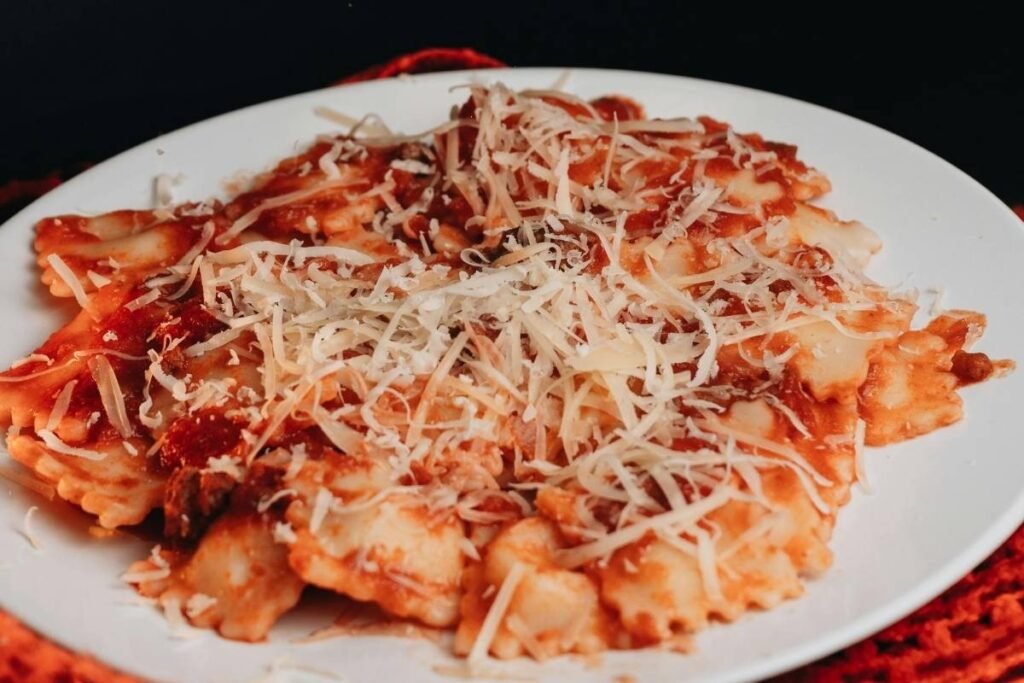
The standard format follows a fairly predictable rhythm. You spend the first twenty to thirty minutes getting acquainted with the kitchen and the instructor, followed by the hands-on cooking portion, which usually takes up the bulk of the time. Then comes the most enjoyable part: sitting down to eat everything you made, often with wine poured alongside. This final meal is rarely rushed, and many classes build at least forty-five minutes of eating and conversation into the schedule.
A Rome pasta making class with tiramisu is a good example of a session that runs comfortably around three hours. You cover the pasta, the sauce, and the dessert without feeling like anything is skipped, and there is still time to properly sit and enjoy what you have cooked.
If you are short on time, look for classes that advertise a two-hour slot and focus exclusively on fresh pasta fundamentals. These tend to move quickly but still give you enough time to understand the technique properly rather than just watching a chef do it for you.
How the Time Is Actually Spent — And What to Expect
Understanding the breakdown of a class helps set the right expectations before you book. Most sessions in Rome are structured something like this: a short introduction and apron-on moment, an explanation of ingredients and regional context, then the hands-on cooking itself. Depending on the class, you might be making pasta dough from scratch, learning to roll it by hand or with a machine, and cutting it into specific shapes like cacio e pepe-ready tonnarelli or wide pappardelle.
Instructors in Rome generally teach in small groups, usually no more than eight to twelve people, which means you get actual guidance rather than standing at the back watching someone else work. This is where the time goes quickly — pasta dough is more forgiving than bread, but it still takes practice to get the texture right, and a good teacher will have you redo steps rather than move on before you are ready.
Location also plays a role in the experience. A cooking class in Trastevere takes place in one of Rome’s most atmospheric neighborhoods, which adds to the overall feel of the day even if the pasta itself takes the same amount of time to make. Some travelers like to pair a pasta class with another cooking experience on the same trip — a pizza making class in Rome covers completely different techniques and is a natural companion if you have a full day to dedicate to Roman food.
One practical tip: eat a light breakfast or lunch before your class. You will be cooking and then eating a full meal, so arriving overly hungry can make it hard to focus during the cooking portion, and arriving too full means you will not enjoy the meal you worked to prepare. Most classes include wine, water, and sometimes a welcome snack, so you will not go without.
Plan for around three hours as a safe estimate when scheduling your day. That gives you enough buffer to enjoy the meal at the end without watching the clock, which is really the point of the whole experience.