Why a Pasta Class Belongs on Your Rome Itinerary
Rome is a city built around the table. Meals here are slow, generous, and deeply tied to tradition. Taking a pasta class gives you a window into that culture that no restaurant meal quite can. You are not just eating the food. You are learning the logic behind it, the way Romans have approached dough, flour, and egg for generations.
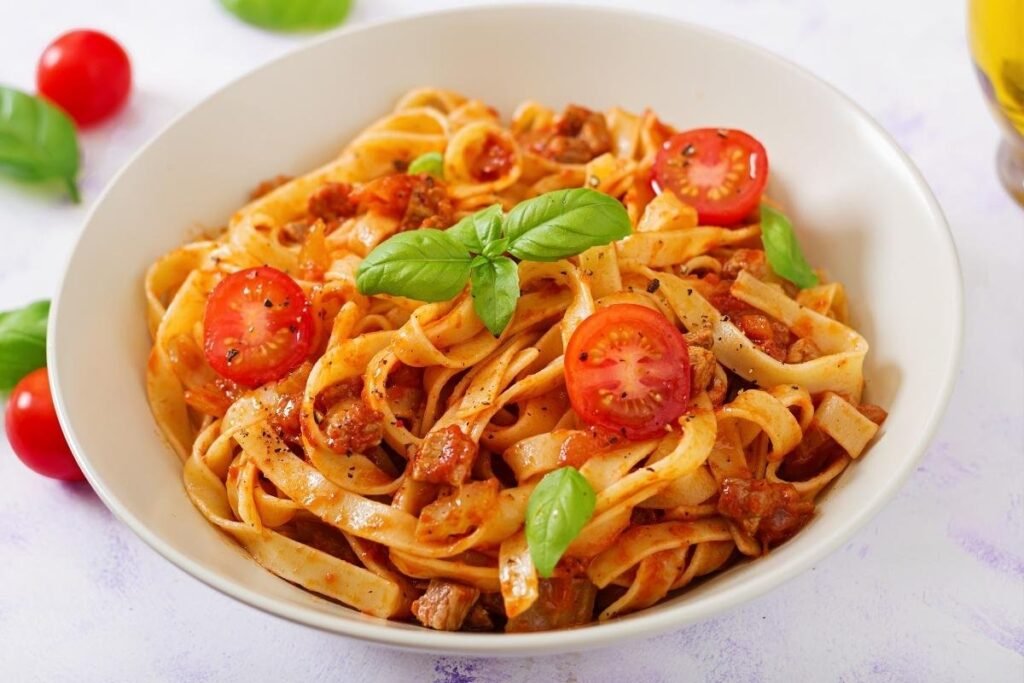
Most pasta classes in Rome run between two and three hours, which makes them easy to slot into a busy travel schedule. Morning sessions are common and tend to finish in time for a long afternoon of sightseeing. You will typically make two or three types of fresh pasta by hand, learn the difference between egg-based and semolina doughs, and then sit down to eat what you made, usually with wine.
The neighborhood matters too. A cooking class in Trastevere puts you in one of Rome’s most atmospheric quarters, with cobblestone streets and medieval buildings just outside the kitchen door. That context adds something to the experience that a class in a more anonymous part of the city simply does not have.
Skill level is rarely a barrier. The best pasta classes in Rome are designed for complete beginners and experienced home cooks alike. Chefs walk you through each step, correct your technique without making it feel like a lesson, and keep the atmosphere relaxed and social. You will leave with flour on your hands and a recipe sheet you will actually use at home.
How to Choose the Right Pasta Class in Rome
Not all pasta classes are the same, and a bit of research before you book saves a lot of disappointment. Here are the practical things to look at before you commit.
Group size. Smaller groups, typically under twelve people, mean more hands-on time with the instructor. Larger classes can feel rushed and impersonal. Always check the maximum group size listed in the class details.
What is included in the menu. Some classes focus purely on pasta shapes. Others fold in broader Roman cooking, including sauces made from scratch and desserts like tiramisu. A pasta making class that includes tiramisu gives you a more complete picture of the Roman kitchen and is worth the extra time if your schedule allows.
Dietary needs. Rome’s food culture is traditionally meat-heavy, but good cooking schools accommodate vegetarians without just removing ingredients. A dedicated vegetarian cooking class in Rome builds the entire menu around plant-based Roman recipes, which is a very different experience from a standard class with one dish swapped out.
Timing and location. Book early if you are traveling between April and October. Classes in popular neighborhoods fill up weeks in advance, particularly on weekends. If you plan to visit a specific market before your class, morning sessions work best since Roman markets are typically done by early afternoon.
What you take away. Beyond recipes, the best classes teach technique that transfers to your home kitchen. Ask whether the instructor explains the why behind each step, not just the how. That knowledge is what makes the experience last past your flight home.