What You Actually Get in a Pasta Class in Rome
Most pasta classes in Rome follow a similar structure, but the details matter when you’re spending a few hours of your trip in someone’s kitchen. A typical session runs between two and three hours and covers the full pasta-making process from scratch. That means mixing flour and eggs by hand, kneading the dough, rolling it out, and shaping it into forms like tagliatelle, fettuccine, or stuffed pastas such as ravioli or tortelloni.
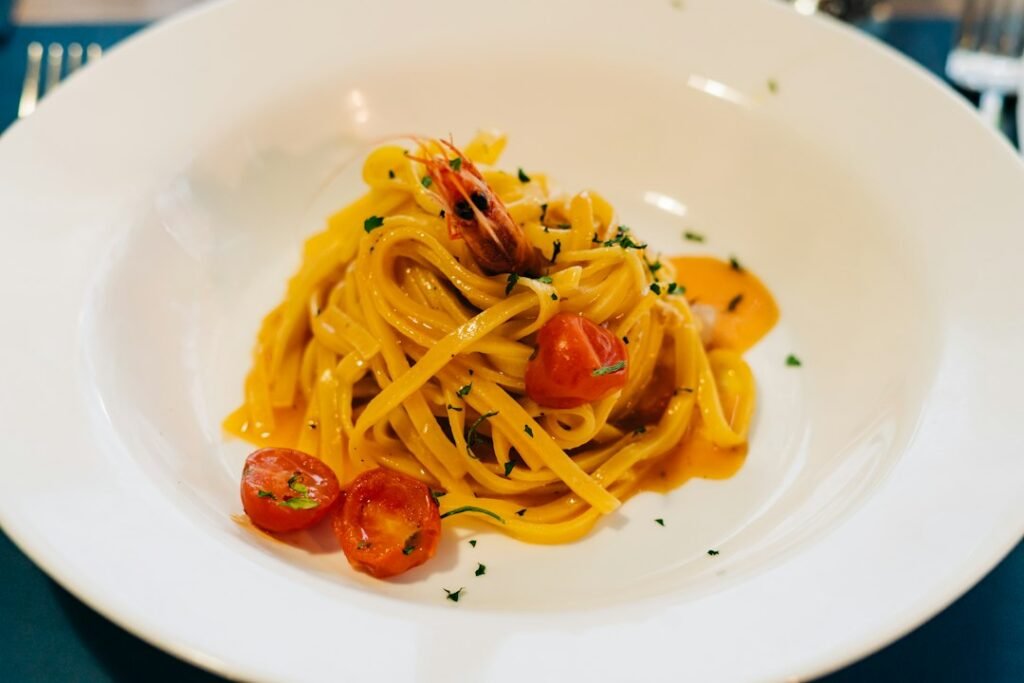
Ingredients are always provided. You won’t need to stop at a market beforehand or bring anything with you. The chef supplies the tipo 00 flour, fresh eggs, semolina, and whatever fillings or sauces are on the day’s menu. Most classes in 2026 have moved toward locally sourced and seasonal ingredients, so what you make in spring may look different from what’s on the board in autumn.
Wine is included in the majority of classes. Expect a glass or two poured while you cook, usually a local white or red that pairs well with the dishes being prepared. Some classes also include water, soft drinks, and a small welcome snack while the chef runs through the itinerary. At the end of the session, you sit down and eat everything you made, which is one of the better parts of the experience. For something that goes beyond pasta, the Rome Pasta Making Class With Tiramisu adds a dessert-making segment, so you leave having learned two Roman classics in one afternoon.
Recipe cards are standard. Most instructors hand these out at the end so you can recreate the dishes at home. A few classes also send a digital version by email. If you have dietary restrictions, it’s worth flagging them when you book. Many kitchens can adjust for vegetarian diets or gluten sensitivities with some advance notice. The Vegetarian Cooking Class In Rome is built entirely around plant-based Roman cooking if that better fits your needs.
Location, Group Size, and Practical Details
Where the class takes place shapes the experience as much as what’s on the menu. Some sessions happen in professional teaching kitchens, while others are held in private apartments or restaurant prep spaces. Trastevere is one of the most popular neighborhoods for cooking classes because of its central location and old-city atmosphere. The Cooking Class In Trastevere Rome puts you right in that neighborhood, which means you can walk off lunch through cobblestone streets afterward.
Group sizes typically range from four to twelve people. Smaller groups tend to mean more time with the instructor and more hands-on work at the counter. Larger groups can be lively and social, but you may spend more time watching than doing. If hands-on practice is your priority, look for classes that advertise small group sizes or private options.
Classes generally run in the late morning or early afternoon to time the meal around lunch. Morning slots often start around 10 or 11 a.m. and wrap up with a sit-down lunch by 1 p.m. Most venues are accessible by public transit, and the booking confirmation usually includes exact address details and directions. Comfortable, closed-toe shoes are a good call since you’ll be standing for most of the session. An apron is provided, but wearing clothes you don’t mind getting flour on never hurts.