What You Actually Get When You Book a Pasta Class in Rome
Most cooking classes in Rome are hands-on experiences, not demonstrations where you sit and watch a chef work. From the moment you walk in, you are usually put to work at a floured wooden board with a rolling pin in hand. The format is practical and approachable, even if you have never made fresh pasta before.
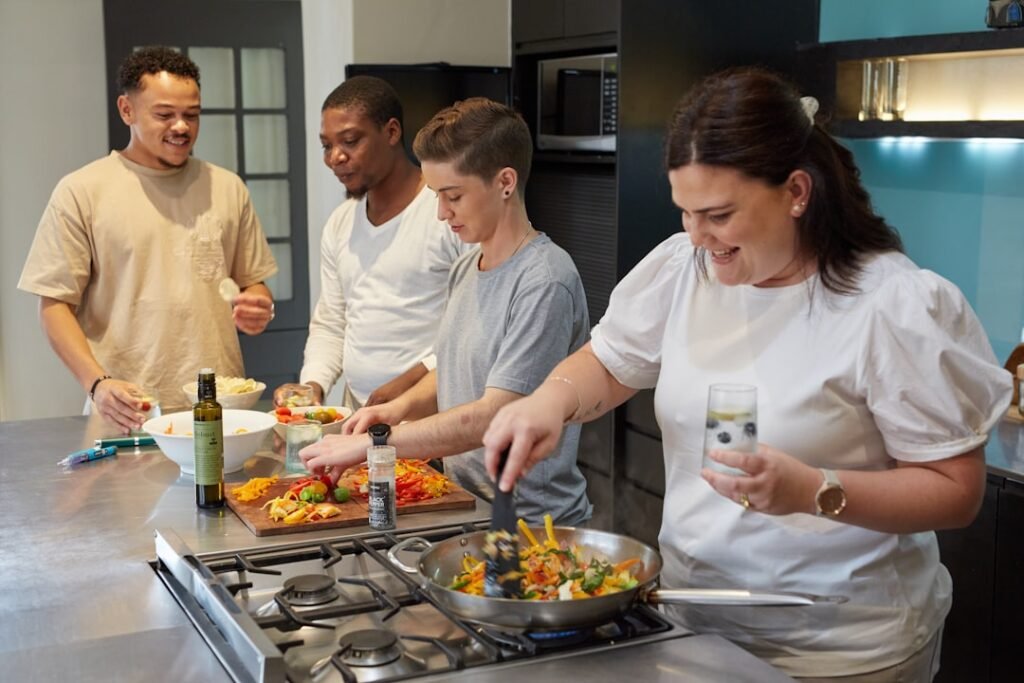
A typical Rome pasta making class covers the full process from scratch. That means mixing eggs and flour into a smooth dough, kneading it by hand, rolling it out, and cutting it into shape. Depending on the class, you might make tagliatelle, pappardelle, fettuccine, or stuffed pasta like ravioli or tortellini. The chef walks you through each step and corrects your technique as you go, which makes a real difference.
Beyond the pasta itself, most classes include a sit-down meal at the end where you eat everything you cooked. Wine is almost always part of the experience, usually a local Italian red or white poured generously throughout the cooking session and the meal. Some classes also include a dessert course. A cooking class in Trastevere often finishes with tiramisu made in class, which means you leave knowing how to recreate the full Roman meal at home.
Most operators also send you home with the recipes you used. That small detail matters more than people expect. Recreating a dish in your own kitchen six months later is far easier with a printed or digital recipe from the actual class.
The Details That Vary Between Classes
Not every cooking class in Rome covers the same ground, so it pays to read the fine print before booking. Group size is one of the biggest variables. Some classes run with up to twenty people, while others cap attendance at eight or ten to keep the experience personal. Smaller groups mean more hands-on time with the instructor and fewer moments waiting for your turn at the stove.
Location also shapes the experience significantly. Classes held inside historic Roman neighborhoods, like Trastevere or the historic center, often include a market visit or a short walk to source ingredients before cooking begins. That kind of context adds a layer that a class in a commercial kitchen cannot replicate.
Dietary needs are handled differently depending on the provider. If you do not eat meat, look specifically for a vegetarian cooking class in Rome where the entire menu is built around plant-based Roman dishes rather than modified as an afterthought. That distinction matters both for the quality of the food and for the overall flow of the class.
Aprons, tools, and all ingredients are standard inclusions across most reputable classes. You do not need to bring anything except comfortable clothes you do not mind getting a little flour on. Some classes provide a small apron to take home as a keepsake, though that varies by operator.
In terms of duration, plan for roughly two and a half to three hours for a pasta-focused class. That window covers the cooking, the meal, and a reasonable amount of conversation with your instructor and fellow participants. It is one of the more relaxed ways to spend an afternoon in Rome, and it leaves you with a skill you can actually use when you get back home.