Book Early, Choose Wisely, and Know What You Are Getting Into
Rome is one of the most visited cities in the world, and its cooking classes fill up fast, especially between April and October. If you have a specific date in mind, booking at least two to three weeks in advance is a smart move. Waiting until you land often means settling for whatever is left, and that is rarely the best option.
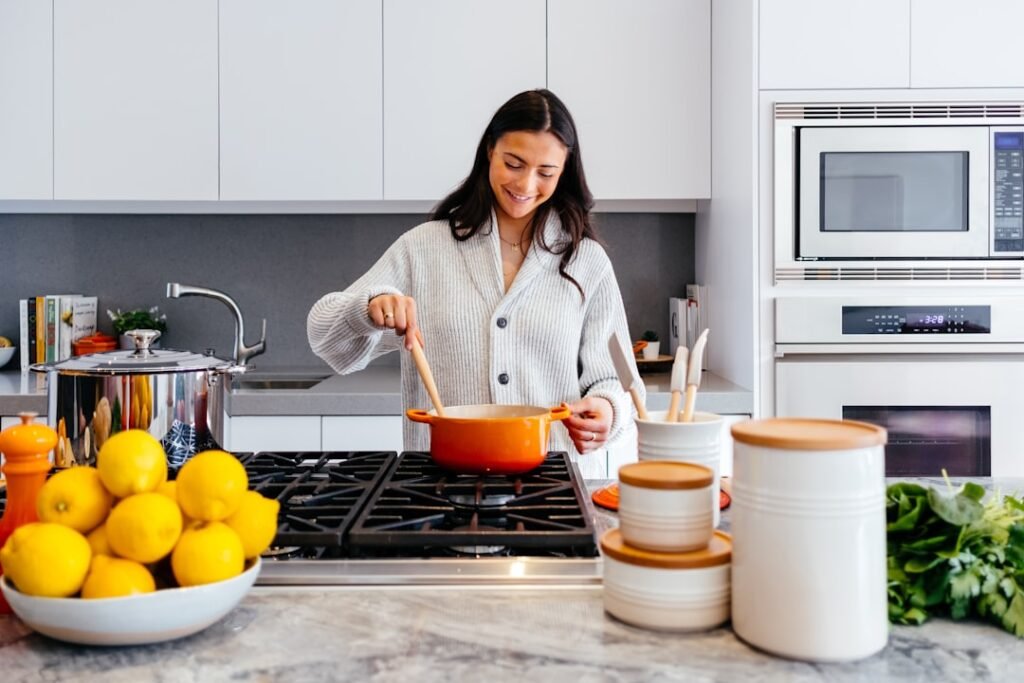
When comparing classes, pay attention to group size. Smaller groups, ideally under twelve people, mean more hands-on time with the instructor and less standing around watching. A class where you actually roll pasta dough, shape tortellini, or stretch pizza is far more satisfying than one where the chef does most of the work while guests observe. Read the class description carefully to understand exactly how much cooking you will do yourself.
Location matters too. Classes held in central Rome can be convenient, but some of the most memorable experiences happen in residential kitchens tucked into real neighborhoods. A cooking class in Trastevere, for example, puts you inside one of Rome’s most atmospheric districts, which adds something to the experience that a hotel kitchen simply cannot.
Also check what is included in the price. Some classes cover wine, aperitivo, and a full sit-down meal after cooking. Others charge extra for drinks or keep the tasting portion minimal. The best value options tend to bundle everything together so you leave full and happy without any surprise costs.
Pasta, Pizza, or Both: Picking the Right Class for Your Trip
Rome has a serious pasta culture, and taking a class focused on fresh egg pasta is one of the most rewarding things you can do as a visitor. You learn techniques that genuinely transfer back home, and you get to eat what you make, usually alongside a glass of local wine. A pasta making class with tiramisu is a popular choice because it covers two iconic dishes in one sitting, giving you a fuller picture of Roman cooking traditions.
If you are traveling with people who have different dietary needs, it is worth looking into specialized options. A vegetarian cooking class in Rome can be a great fit for mixed groups, since Roman cuisine already relies heavily on seasonal vegetables, legumes, and egg-based pastas rather than meat-heavy sauces.
For those who want to try their hand at both pasta and pizza during their stay, booking separate classes on different days is entirely reasonable. Rome rewards slow travel, and spending a morning making pasta and an afternoon exploring the city before a pizza class the next day is a genuinely enjoyable way to structure a few days.
One practical note: wear comfortable clothes and avoid anything you would be upset to get a little flour on. Most kitchens provide aprons, but pasta dough has a way of ending up everywhere. Arrive on time, bring your appetite, and be ready to ask questions. The chefs who teach these classes love talking about food, and the conversations that happen around the pasta board are often just as memorable as the meal itself.