The Pasta Dishes You Actually Learn to Make
Most pasta classes in Rome focus on fresh egg pasta, which is the foundation of Roman home cooking. You start by mixing semolina flour or 00 flour with eggs on a wooden board, working the dough by hand until it reaches the right texture. That part alone teaches you more than any recipe book can. From there, the class splits into specific shapes and sauces depending on the format and the instructor.
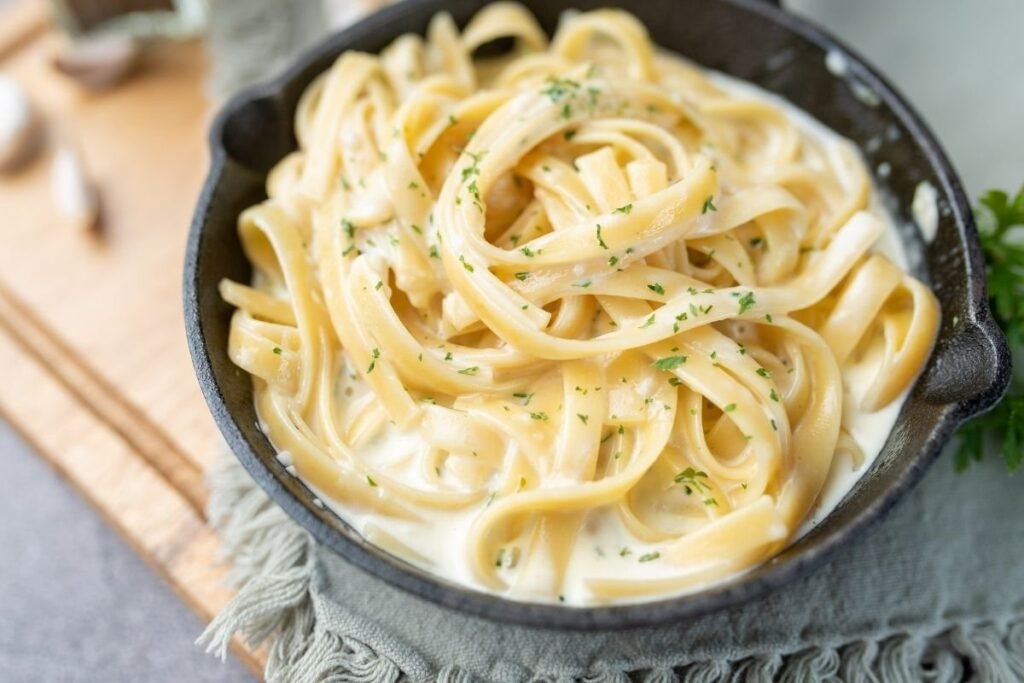
Tagliatelle and pappardelle are common starting points because the rolling and cutting technique is straightforward enough for beginners but still requires attention. Stuffed pastas like ravioli and tortellini show up in many classes too, and these take longer to master since the folding and sealing needs a light, confident touch. Some classes also cover gnocchi, though technically potato-based, it fits naturally into a fresh pasta session.
On the sauce side, you will typically prepare classic Roman recipes. Cacio e pepe is a frequent choice because it has only three ingredients but demands real technique to keep the cheese from clumping. Amatriciana and carbonara also appear regularly. Carbonara in particular is a lesson in patience and temperature control since getting the egg and guanciale ratio right without scrambling anything is the kind of skill Romans spend years refining. A Rome pasta making class with tiramisu often rounds out the meal with a classic dessert, giving you a full menu to take home.
What the Class Experience Actually Looks Like
Forget standing behind a barrier watching a chef perform. A good pasta class in Rome puts an apron on you within the first five minutes. Groups are usually small, typically between six and twelve people, so the instructor can move around and correct your technique directly. That hands-on correction is where the real learning happens.
Classes run anywhere from two to four hours depending on the program. You cook, you eat what you made, and wine or local drinks are almost always included. Many sessions take place in private kitchens, cooking schools, or local apartments, which keeps the atmosphere relaxed and personal. If you want a neighborhood feel, a cooking class in Trastevere puts you right in one of the city’s most lived-in quarters, which adds a layer of atmosphere that a hotel kitchen simply cannot replicate.
Vegetarian travelers are well covered too. Rome has strong meatless pasta traditions, and a vegetarian cooking class in Rome focuses specifically on fresh pasta and Roman sauces built entirely around vegetables, legumes, and cheese, without treating it as a compromise.
Practical Tips Before You Book
Check whether the class includes a market visit before the cooking starts. Some instructors take the group to a local market to pick up ingredients, which is genuinely useful for understanding Roman produce and what to look for when you cook at home. It adds time, but it is worth it.
Wear clothes you do not mind getting floury. Pasta dough has a way of ending up everywhere, especially when you are rolling by hand for the first time. Closed-toe shoes are also a practical choice in any working kitchen.
Ask about recipe cards before the class ends. Most instructors hand out printed recipes, but confirming this in advance means you leave with something concrete to recreate the dishes once you are back home. The goal of a pasta class in Rome is not just a good meal on the day. It is a technique you can actually use again.