What To Look For Before You Book
Rome has no shortage of cooking classes, and that abundance can make choosing one feel harder than it should. A few simple filters will quickly narrow the list down to something manageable.
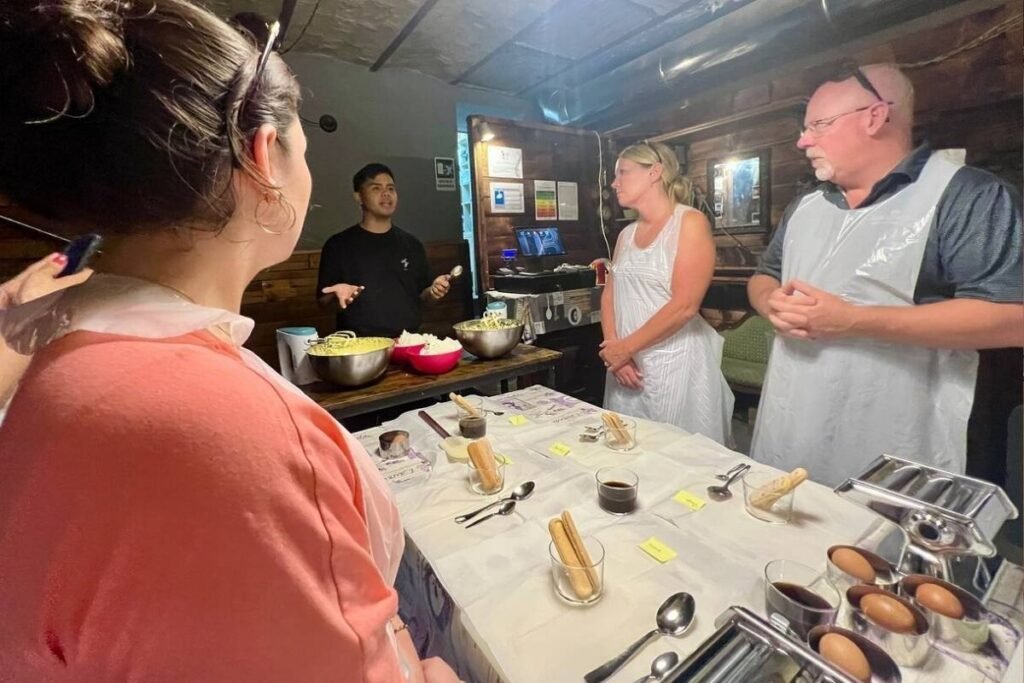
Start with group size. A class capped at eight to twelve people means you actually get hands-on time at the pasta board, not just a front-row seat watching someone else roll dough. Larger group classes tend to turn into demonstrations with a brief tasting at the end. That might be fine for some travelers, but if you want to leave Rome knowing how to make fresh pasta at home, smaller is better.
Next, check what the class actually covers. Many listings advertise pasta but spend a significant portion of the session on sauces, appetizers, or desserts. That is not necessarily a problem. A Rome pasta making class that includes tiramisu gives you two classic recipes in one sitting, which is solid value. Just make sure the pasta component is not an afterthought. Look for classes that cover fresh egg dough, shaping techniques, and at least one traditional sauce from scratch.
Location matters more than people expect. A class held in a residential kitchen in Trastevere feels very different from one held in a hotel event space. The neighborhood itself becomes part of the experience. A cooking class in Trastevere often comes with the added texture of shopping at a local market beforehand or walking through one of Rome’s most atmospheric districts to reach the kitchen.
Also pay attention to whether the class is taught by a local chef or coordinated through a third party. Reading recent reviews is the fastest way to figure this out. Look specifically for mentions of how much the instructor interacted with students individually, not just general praise about the food being delicious.
Matching the Class to Your Travel Style
Not every pasta class in Rome is built for the same traveler, and the right fit depends a lot on what you actually want out of the experience.
If you are traveling with a group of friends and want something social and fun rather than strictly educational, prioritize classes that include wine with the meal. Many do. The atmosphere tends to be more relaxed, and the shared table at the end of the class becomes a real meal rather than a quick bite.
Traveling with a vegetarian or someone with dietary restrictions? Do not assume every class will accommodate you. Some are designed with this in mind from the start. A vegetarian cooking class in Rome built around fresh pasta and Roman sauces means nobody has to ask for substitutions or sit out a step in the process.
Families with kids should look for classes that explicitly list children as welcome. The pasta-making process is genuinely kid-friendly, but not every instructor is set up to teach mixed-age groups. A quick message to the organizer before booking can save a lot of frustration.
Finally, think about timing. Morning classes that end with lunch tend to fit more naturally into a sightseeing day than evening options, which can run late. Either works, but plan around it so the class does not feel rushed or like it is cutting into the rest of your itinerary.
Rome in 2026 remains one of the best cities in the world to learn this kind of cooking firsthand. The ingredients are exceptional, the traditions run deep, and a good class gives you something genuinely useful to take home alongside your photos.