What Happens When You Walk Through the Door
Most pasta classes in Rome run for two to three hours and take place in a working kitchen, either attached to a restaurant or in a dedicated culinary studio. Group sizes tend to stay small, usually between six and twelve people, which means you get real hands-on time rather than just watching a chef perform from a distance.
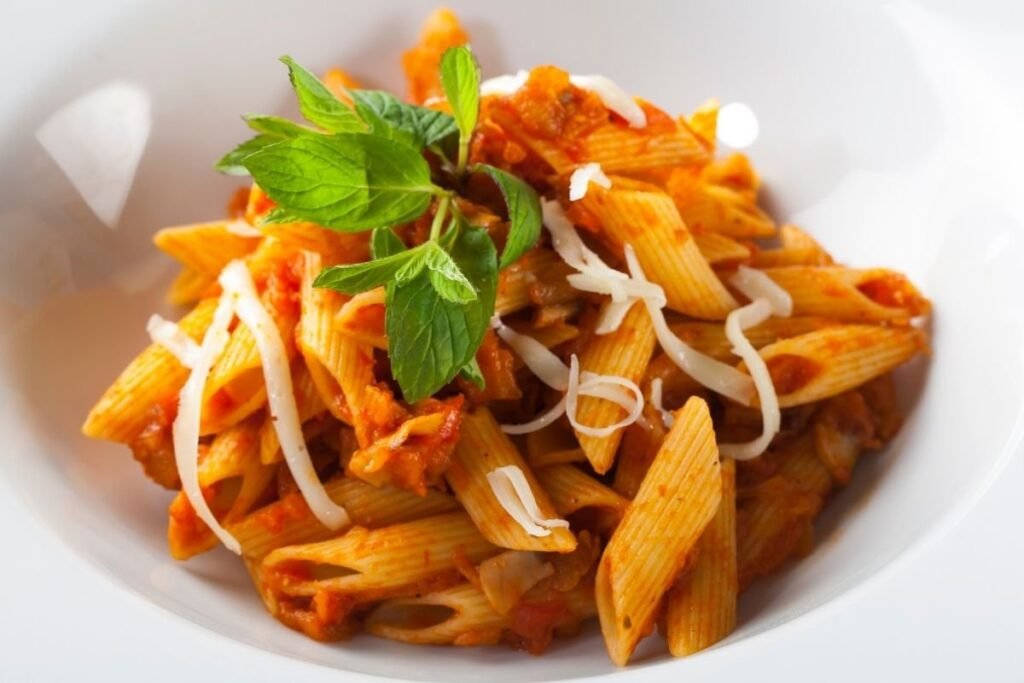
When you arrive, the chef or instructor will typically run through the session plan and give a brief introduction to the ingredients on the table in front of you. Expect to see a mound of tipo 00 flour, fresh eggs, and maybe a dusting of semolina. These are the building blocks of fresh Roman pasta, and understanding why each one matters is often the first lesson before anyone touches the dough.
From there, you get your hands dirty. Literally. Making fresh pasta by hand is a tactile process, and good instructors will walk alongside you, correcting technique in real time rather than just demonstrating from the front of the room. You will knead, rest, roll, and cut the dough yourself. By the end of the hands-on portion, you will have made something you can actually eat.
A well-structured class, like the Rome Pasta Making Class With Tiramisu, wraps up the cooking session with a sit-down meal where you eat what you made, paired with local wine. That combination of cooking and eating together is what makes these classes feel like a genuine Roman experience rather than a tourist activity.
What You Actually Learn and Make
The specific pasta shapes taught vary by class, but Roman-focused sessions most commonly cover tagliatelle, fettuccine, or pappardelle since these are the shapes that best demonstrate the classic egg-based dough technique. Some classes also teach filled pasta like ravioli or tortelloni, which adds a layer of skill to the session.
Beyond shaping, you will usually learn how to make a sauce from scratch. Roman sauces are not complicated, but they rely heavily on technique and timing. A good cacio e pepe, for example, requires understanding heat management and pasta water in a way that a recipe alone cannot teach you. Hands-on practice in a class setting fills that gap.
If you are not eating meat, it is worth looking specifically at options designed around plant-based cooking. The Vegetarian Cooking Class In Rome covers fresh pasta and Roman sauces made entirely without meat, which keeps the focus on building real technique without working around dietary restrictions mid-class.
For those who want to explore more of the Roman kitchen, some schools offer classes that pair pasta with other local staples. A Cooking Class in Trastevere is a good example of how location also shapes the experience, putting you in one of Rome’s most characterful neighborhoods while you cook.
Practical Tips Before You Book
Wear comfortable clothes you do not mind getting flour on. Most kitchens provide aprons, but pasta dough has a way of traveling beyond the workspace. Closed-toe shoes are also a smart call in any working kitchen.
Book in advance, especially if you are traveling between April and October. Classes in popular neighborhoods fill up weeks ahead of time, and last-minute spots are rare during peak travel season.
Check what is included in the price before booking. Some classes cover wine, dessert, and the full meal. Others charge separately for drinks or end after the cooking portion without a sit-down component. Knowing this upfront helps you compare options accurately rather than discovering surprises after you pay.
Finally, show up a few minutes early. Kitchens run on timing, and a class that starts with everyone present and ready tends to flow significantly better than one waiting for latecomers while dough starts drying out on the board.