What Actually Happens When You Book a Cooking Class in Rome
Most cooking classes in Rome follow a similar structure, though the details vary by host and location. You show up at a kitchen space, a restaurant back room, or sometimes a home kitchen, and a chef walks you through a menu from start to finish. Classes typically run two to three hours and are kept small, usually between six and sixteen people, so everyone gets hands-on time rather than just watching a demonstration.
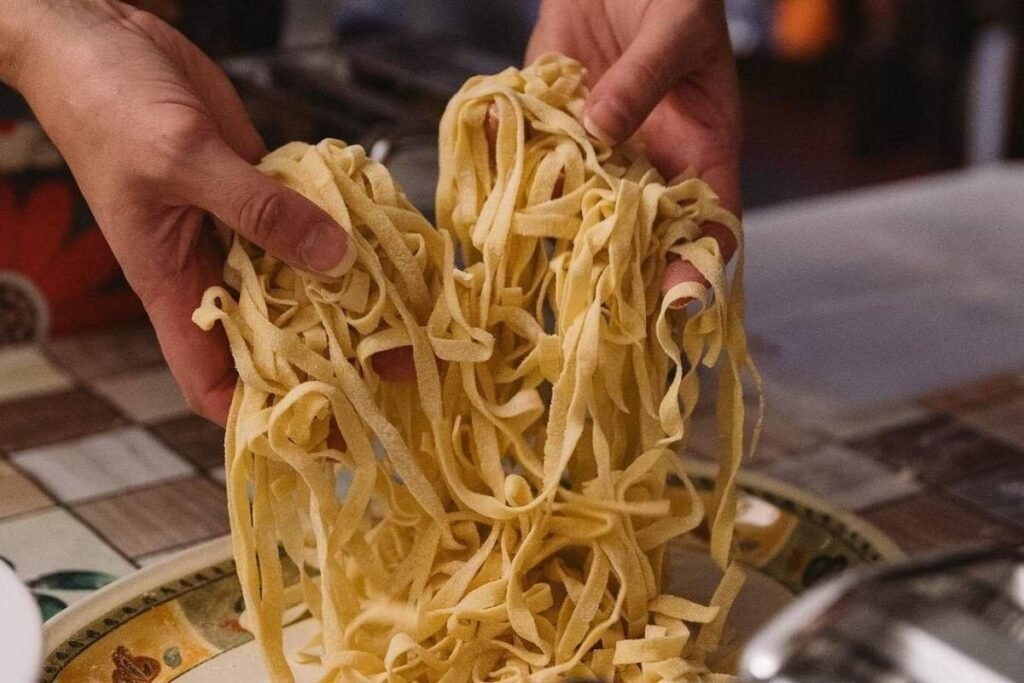
The day usually starts with a quick introduction to the ingredients and techniques on the agenda. From there, you roll up your sleeves and get to work. Expect to touch the dough, handle the flour, and actually cut the pasta yourself. Chefs working these classes in 2026 are less interested in performing and more focused on teaching, so do not be shy about asking questions or making mistakes. That is exactly the point.
After cooking, you sit down and eat what you made, often paired with local wine or a soft drink. Some classes include an extra course like tiramisu or a Roman-style appetizer. A good example of this format is the Rome Pasta Making Class With Tiramisu, which takes you through fresh pasta and a classic dessert in a single session.
Booking is straightforward. Most operators use online reservation systems, ask for a deposit or full payment upfront, and send confirmation details with the meeting address. Locations in central neighborhoods like Trastevere are common, partly because they offer a genuine Roman atmosphere and partly because they are easy to reach on foot or by tram.
What You Will Learn and What to Expect as a First-Timer
Pasta is the most popular subject, and for good reason. Roman cuisine is built around a handful of techniques that are simple to learn but take practice to get right. In a typical pasta class, you will learn to make fresh egg dough by hand, roll it out using a pin or machine, and shape it into one or two pasta types like tagliatelle or pappardelle. Sauces come next, and instructors usually focus on classic Roman combinations rather than anything too elaborate.
If you are traveling without meat-eaters or prefer a plant-based menu, there are options built specifically for that. The Vegetarian Cooking Class In Rome covers fresh pasta and Roman sauces made entirely without meat, using the same traditional methods.
For first-timers, the main thing to know is that no prior cooking experience is required. Chefs running these classes teach beginners every day. Come hungry, wear comfortable clothes you do not mind getting a little floury, and arrive on time since most classes start the moment the group is assembled.
It also helps to think about location when choosing a class. A session held in a historic neighborhood adds to the overall experience. The Cooking Class in Trastevere Rome puts you in one of the city’s most beloved quarters, which makes the whole afternoon feel like more than just a cooking lesson.
Practically speaking, most classes are offered in the morning or late afternoon, with morning slots often including a market visit beforehand. Check what is included before booking: some cover wine, some do not; some provide aprons and recipe cards to take home, others keep things minimal. Reading the full class description takes two minutes and saves a lot of surprises on the day.